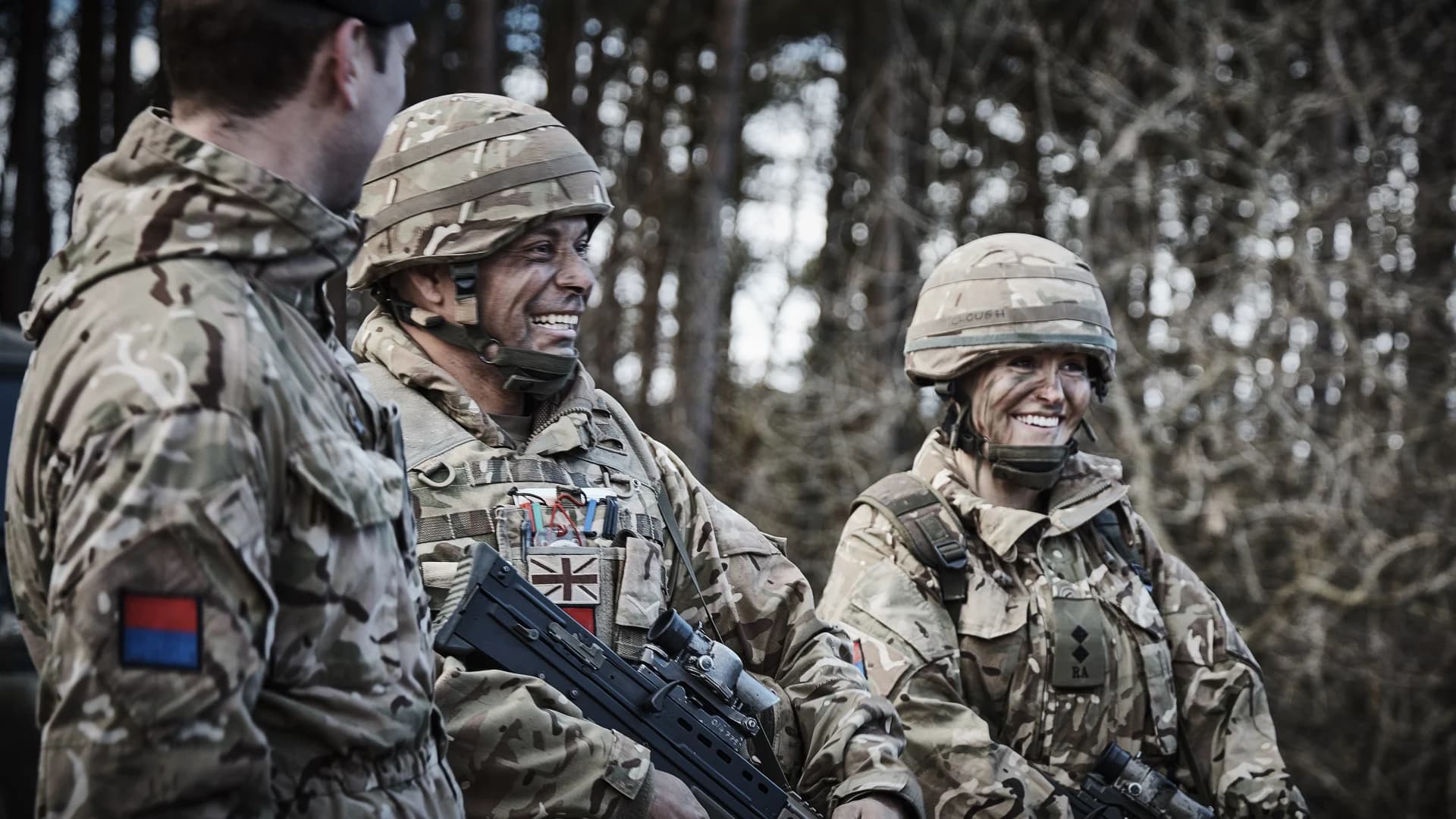
What is the usual path of someone wanting to join the Ranger Regiment or SFSG, what battalions and regiments?


Additional information
I am wondering what is best to join to become part of the Ranger Regiment or Special Forces Support Group, would it be best to join Paratroopers or the Marines and what regiments within them.
Tomas F. asked a question to Combat Roles
Category: How to apply
Date asked: Wednesday, June 19, 2024
Last reviewed: Thursday, July 11, 2024

Steven -.
Logistic Specialist (Supply)
Hello Tomas,
While a lot of people join from Combat roles, notably the Parachute regiment, you can join The Ranger Regiment or SFSG from anywhere within the Armed Forces once you've served enough time. My advice would be to weigh up your options based on their own merits: anything you'll be required to do with Ranger Regiment or SFSG can be trained by them separately.
Wednesday, July 10, 2024

Shaun M.
Team Leader (Cpl)
The usual path for a British soldier in the Army before joining the Ranger Regiment or the Special Forces Support Group (SFSG) involves several stages, including basic training, specialized training, and gaining operational experience. Here’s a breakdown of the typical career progression:
Initial Training known as Basic Training (Phase 1) is where recruits undergo basic soldier training, which varies in length depending on the chosen regiment or corps. For infantry soldiers (which is most common for soldiers aspiring to join SFSG and Ranger Battalion), this training takes place at the Soldier Academy North in Catterick and lasts about 26 weeks. Phase 2 Training: This is role-specific training that prepares soldiers for their specific trade or regiment. For infantry soldiers, this would include additional infantry skills and tactics. After completing Phase 1 and Phase 2 training, soldiers are posted to their regiment or corps. Here, they gain experience in their designated roles and may be deployed on various operations and exercises. Soldiers typically spend two – three years minimum in their units, participating in training exercises, deployments, and honing their skills before applying for Ranger and other SF courses. This period is crucial for gaining the necessary experience and demonstrating competence and leadership. During this time in unti however ther are other Advanced Training and Specialization Courses and Qualifications that Soldiers may achieve to develop specialized skills (e.g., reconnaissance, signals, mortar, sniper, and even junior commander training) to help prepare for potential selection for elite units.
To Summaries the path to joining the Ranger Regiment or SFSG typically involves:
1. Completing initial basic and specialized training.
2. Gaining operational experience and skills in a regular unit.
3. Attending advanced courses and demonstrating exceptional performance.
4. Undergoing a demanding selection process.
5. Completing further specialized training upon selection.
This progression ensures that soldiers are highly skilled, experienced, and prepared for the rigorous demands of serving in elite units like the Ranger Regiment and SFSG and as you can now see it takes soldiers a few years before completing these courses and able to transfer to these elite units. Therefor you should take your time when selecting which unit and trade you want to join beforehand and think about the pros and cons for what will best prepare you for SF but what is also good to have as life skills like trade. I would recommend that you visit your local ACC and discuss with them.
Thursday, July 11, 2024
This discussion is closed, so no new comments can be added.